
Few places in the world can claim to have been the gateway for two of the most influential civilisations in history to the Iberian Peninsula. When visiting the Ruins of Empúries, in the heart of the Costa Brava, you are not only walking on ancient stones, but exploring the foundations of today’s Mediterranean culture.
If you are staying in hotels on the Costa Brava or the Maresme, this excursion is undoubtedly a must. In this article, we explain everything you need to know to make the most of your visit to the most important archaeological site in Catalonia.
A unique site: where Greece and Rome meet
The Museu d’Arqueologia de Catalunya (MAC) – Empúries is the only site on the peninsula where the remains of a Greek city — the colony of Emporion — coexist with those of a Roman city — Emporiae —.
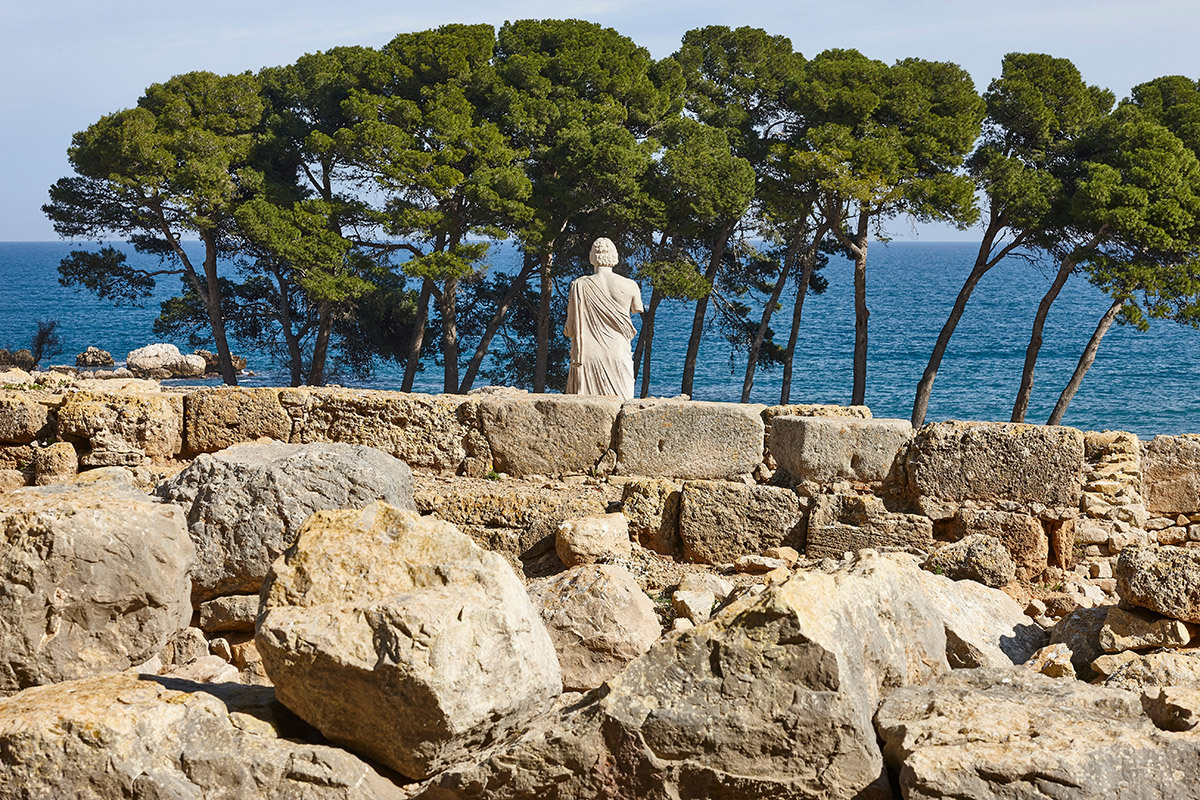
Its strategic location, overlooking the spectacular Bay of Roses in L’Escala, turned this port into a key trading hub from the 6th century BC. The beauty of the natural surroundings, where the blue of the Mediterranean blends with pine trees and the pale stones of the archaeological complex, creates a magical atmosphere that captivates photographers and historians alike.
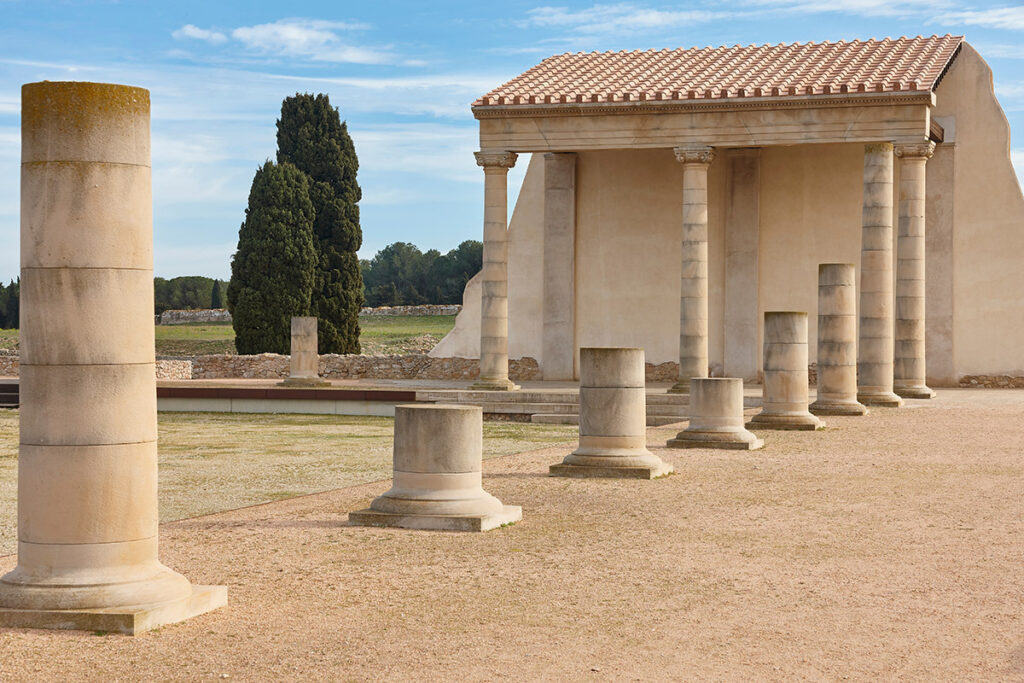
What to see at the Ruins of Empúries
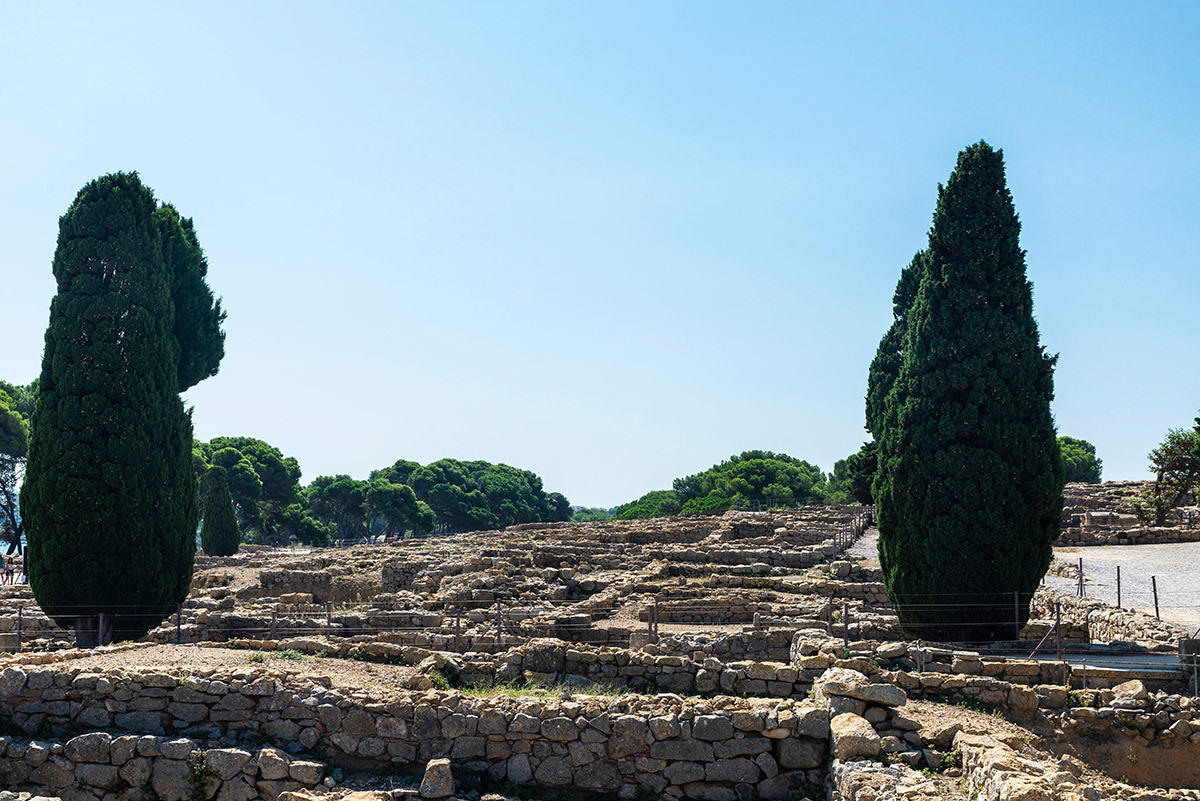
To make the most of your visit, it is best to follow the marked route, which clearly separates the two main areas.
-
The Greek city (Emporion)
Founded by settlers from Phocaea, it became an unparalleled centre of trade. As you walk through its streets, you will be able to identify:
- ● The Asclepeion: the therapeutic and religious centre dedicated to the god of medicine, where his statue (one of the most iconic pieces in the museum) was found.
- ● The Agora: the public square that served as the centre of social and economic life.
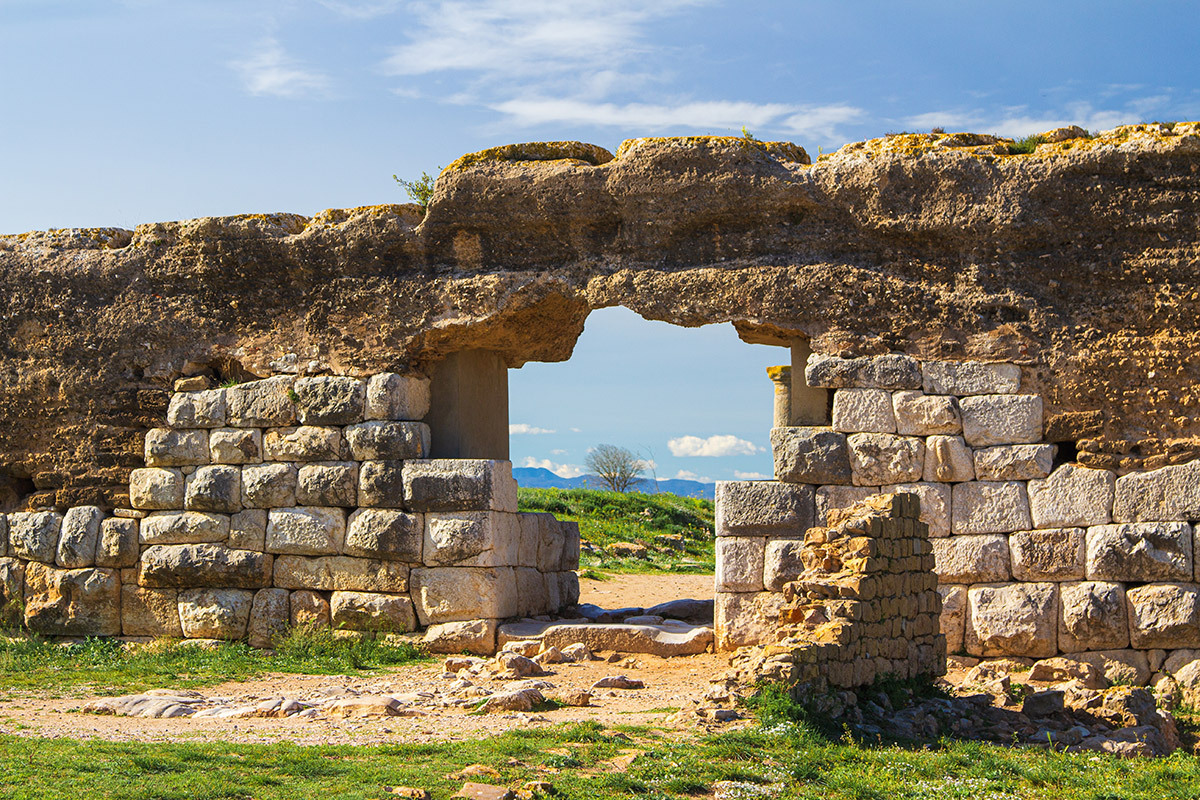
- ● The walls: which protected the city from land incursions.
-
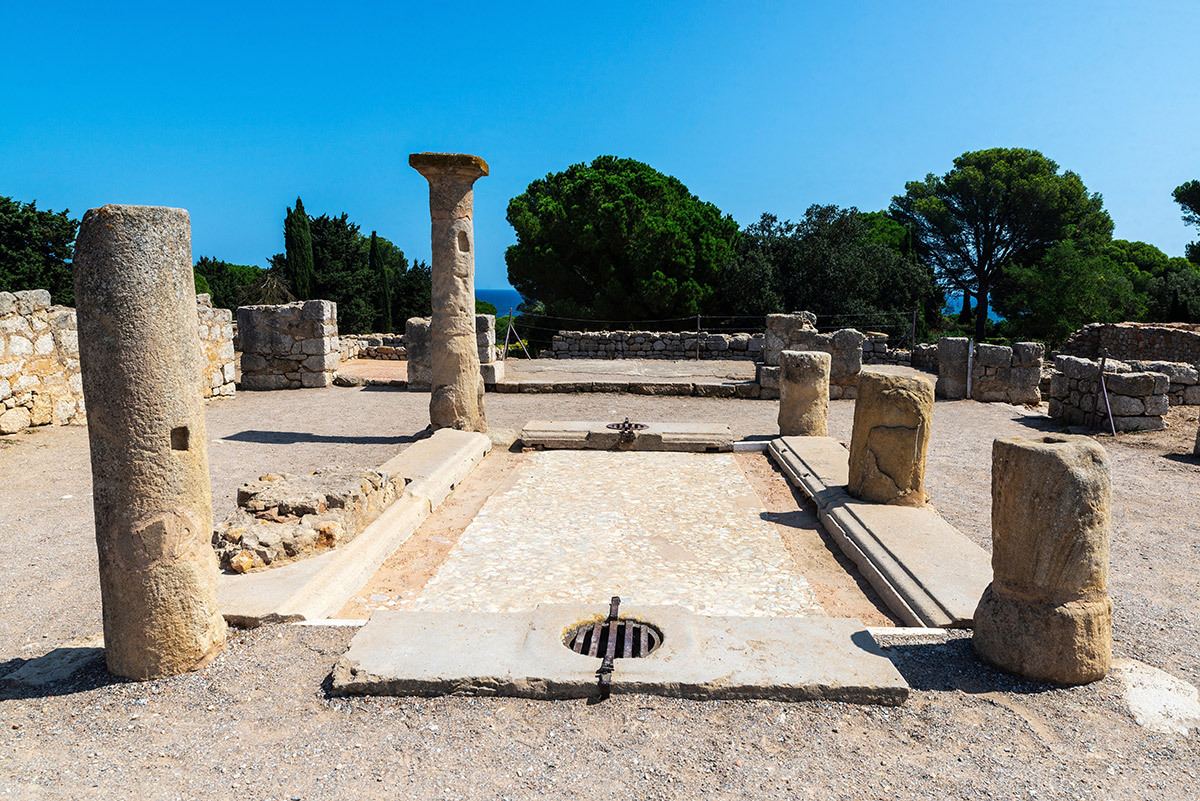
The Roman city (Emporiae)
Located on higher ground, the Roman city is significantly larger than the Greek one. It was founded after the arrival of Scipio’s troops during the Second Punic War. Highlights include:
- ● The Mosaics of the Domus: several noble houses preserve mosaic floors in a remarkably good state of conservation.
- ● The Forum: the administrative and religious heart, surrounded by porticoes and temples.
● The Amphitheatre and the Palestra: located outside the walls, they reflect the importance of leisure and physical exercise in Roman life.
Practical tips for your visit
The best option is to drive via the AP-7 or the C-31 towards L’Escala.
The site offers free parking for visitors
Best time to visit
Although the Mediterranean climate is pleasant all year round, spring and autumn are ideal. In summer, the sun can be intense; if you visit in July or August, we recommend going early in the morning (9:00 am) and not forgetting sunscreen and water.
Tickets and opening times
- ● Price: general admission is usually around €6 and includes an audio guide, which is essential for understanding the context of each element.
- ● Free day: many museums run by the Generalitat offer free entry on the first Sunday of each month (it is advisable to check the official website beforehand).
Complementary experiences: beach and gastronomy
Visiting the Ruins of Empúries is not just about archaeology. The surroundings offer plans to complete a perfect day:
- Walk along the Camí de Ronda: Right next to the site, this coastal path connects L’Escala with Sant Martí d’Empúries. It is an easy walk, suitable for the whole family, with incredible views over crystal-clear coves.
- A swim at Moll Grec beach: Where else can you swim next to a pier over 2,000 years old? This beach is ideal for cooling off after your cultural visit.
- Tasting anchovies in L’Escala: you cannot leave the area without trying the famous anchovies of L’Escala, a product with recognised quality status and a source of local pride.
- Sant Martí d’Empúries: This small medieval village is just a few metres from the ruins. Its cobbled streets and square-side restaurants are perfect for a charming meal.
Why is Empúries key to understanding Spain’s history?
Empúries was not just a port; it was a laboratory where local traditions blended with classical sophistication. It was here that crops defining today’s diet and landscape, such as
olive trees and vines, were introduced, and where the first coins of the peninsula were minted.
Moreover, its archaeological importance continues to grow. Excavations are still ongoing today, meaning that every time you return, there is something new to discover.
The Ruins of Empúries are much more than a collection of ancient stones; they are a reflection of our Mediterranean identity. Whether for their historical value, the beauty of their mosaics or the privileged natural setting that surrounds them, this is a visit that leaves a lasting impression.
If you are planning your holidays in a hotel in the area, make sure to set aside a morning for this journey through time. Rarely does history feel so alive as it does by the sea at Empúries.
And if you want to complete the experience, staying at GHT Hotels will allow you to explore the Costa Brava at your own pace, combining routes, sea and relaxation in a privileged setting.
Because there are places that are not only visited… they are felt.
This post is also available in: